


Satchell Moran Solicitors
10 Dryden Road
Wavertree Technology Park
Liverpool, L7 9PG
0151 268 8282
info@satchellmoransolicitors.com
Satchell Moran Solicitors
10 Dryden Road
Wavertree Technology Park
Liverpool, L7 9PG
0151 268 8282
info@satchellmoransolicitors.com




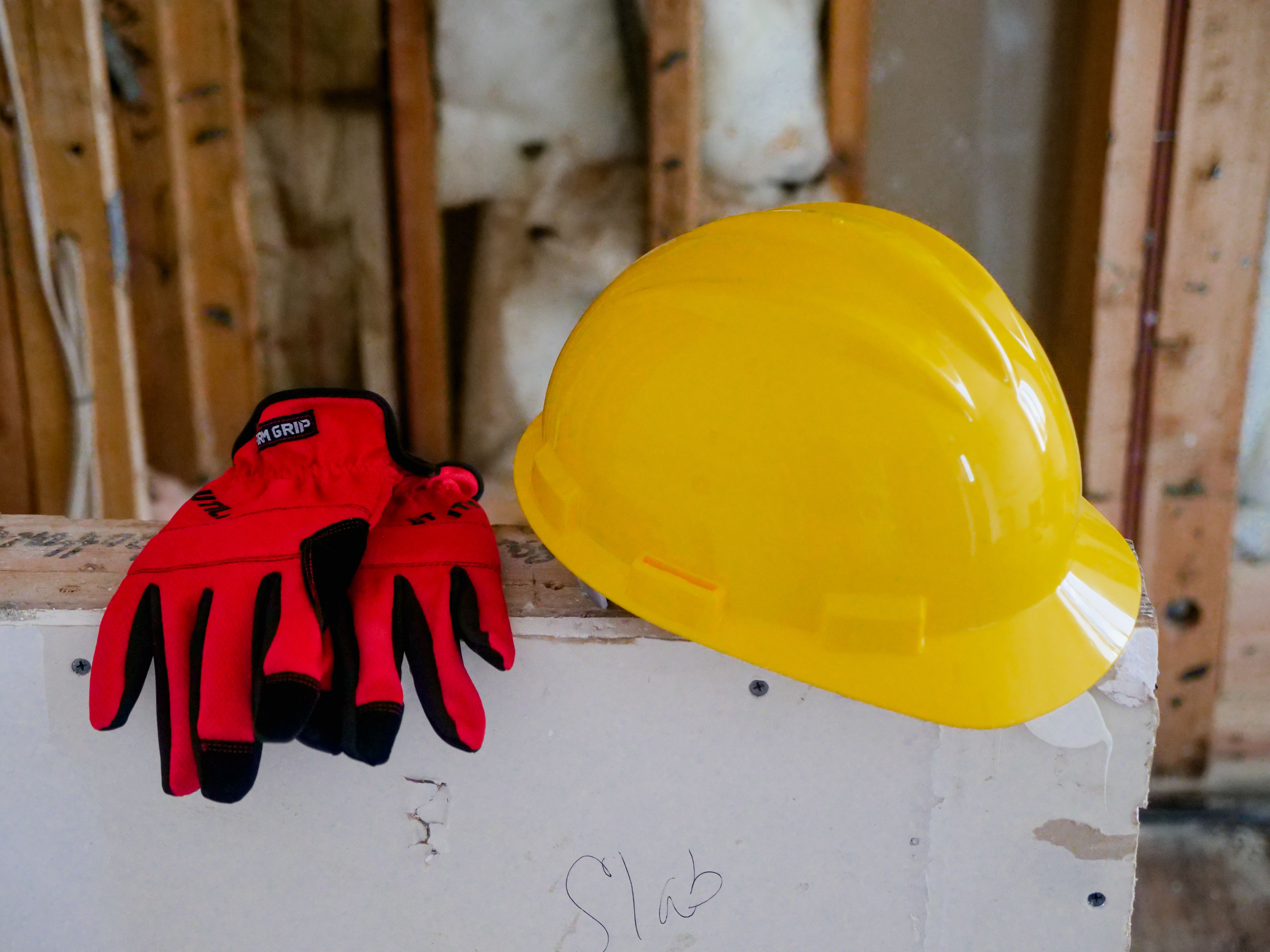
If you are injured by faulty work equipment or by protective equipment that was missing, unsuitable or defective, your employer is usually the first party legally responsible. This is true even where the defect started with a manufacturer or supplier, because the Employers’ Liability (Defective Equipment) Act 1969 treats the employer as negligent where a third party’s fault caused the defect.
Most people assume that if a machine, tool or piece of safety kit was faulty from the factory, the manufacturer must carry the blame. In reality, the law places the primary responsibility on the employer who chose, supplied and maintained the equipment for use in their business.
Depending on the facts, the following parties may be liable:
A solicitor’s early task is to work out which of these parties, or which combination, should be pursued. In many cases the claim is brought against the employer’s insurer, and the employer or insurer then looks to recover from others further up the supply chain.
This short but important Act deals with exactly the situation described above. Under section 1 of the Employers’ Liability (Defective Equipment) Act 1969, where an employee is injured in the course of their employment as a result of a defect in equipment provided by their employer for the purposes of the business, and that defect is attributable wholly or partly to the fault of a third party, the injury is also deemed to be attributable to the employer’s negligence.
In plain English, you do not need to prove your employer personally did anything wrong if a third party’s fault caused the defect. You need to show that:
The Act defines equipment broadly, including plant, machinery, vehicles and clothing. Fixtures that form part of the building itself, such as doors, have generally been treated as falling outside it. The Act also relates to equipment provided by your employer, so it may not assist where you used your own tools, although a negligence claim may still be available.
Several sets of regulations set out what a responsible employer is expected to do. The Provision and Use of Work Equipment Regulations 1998, known as PUWER, require work equipment to be suitable for its purpose, kept in an efficient state and good repair, accompanied by adequate information and instructions, and used only by people who have received adequate training. They also require dangerous parts of machinery to be properly guarded.
The Personal Protective Equipment at Work Regulations 1992 require employers to provide suitable PPE, free of charge, where risks cannot be adequately controlled by other means. The employer must also make sure the PPE fits properly, is compatible with any other equipment being worn, is maintained and replaced when worn out, and comes with proper instruction and training. Since 6 April 2022 these duties have also applied to so called limb (b) workers, which includes many casual and agency workers, not only employees.
There is an important legal point here that is often overlooked. Since the Enterprise and Regulatory Reform Act 2013 took effect, breach of health and safety regulations does not, on its own, give an injured worker a right to sue. Claims are instead brought in negligence, or under the 1969 Act, with the regulations used as strong evidence of the standard a reasonable employer should have met.
Defective or poorly maintained equipment
PPE failures
In many cases the two overlap. A worker injured by an unguarded machine may also have been given PPE that was unsuitable for the task, and both failings may be relevant to the claim.
Equipment and PPE claims are evidence driven, and the most valuable evidence is often the physical item itself. If you can do so safely, take the following steps:
Where the equipment is critical to the case, an independent engineer may be instructed to examine it and report on the cause of the failure.
Employers sometimes argue that an injured worker removed a guard, ignored training or chose not to wear the PPE provided. If the evidence supports this, a court may reduce compensation to reflect your share of responsibility, known as contributory negligence. However, employers also have a duty to supervise and to make sure safety equipment is actually used. An employer who tolerated a culture of removing guards, or who never enforced PPE rules, is in a much weaker position than one who can show clear instructions were given and followed up.
Most personal injury claims must be started within three years of the accident, or of the date you first knew your injury was significant and linked to the equipment, as set out in the Limitation Act 1980. Our guide to time limits for accident at work claims explains the exceptions in more detail. Because equipment is often repaired or discarded quickly, acting early matters for evidence long before any deadline approaches.
Equipment and PPE claims can involve several potential defendants, technical evidence and insurers who will look closely at who is responsible. Our specialist accident at work solicitors will review what happened, identify every party who may be liable and explain your options honestly, as part of our wider personal injury claims service. We act on a no win, no fee basis and hold dual Lexcel accreditation, which reflects the standard we apply to every case.
If you have been injured by faulty equipment or inadequate protective equipment at work, contact Satchell Moran Solicitors today for a free, no obligation discussion about your claim.
Start your claimThe 1969 Act only applies to equipment provided by your employer, so it may not help in this situation. You may still be able to bring a claim in negligence if your employer required or allowed you to use your own equipment and failed to take reasonable care for your safety.
Not necessarily. Where a hidden defect was caused by a third party’s fault, such as a manufacturing error, the 1969 Act can still treat your employer as negligent even though the defect could not have been found by reasonable inspection.
Possibly. Product liability law can allow a claim against the producer of a defective product, but it involves its own rules, defences and time limits. In practice, your solicitor will usually pursue your employer’s insurer, which may then seek to recover its costs from the manufacturer.
Your employer may argue contributory negligence, but they must also show the PPE was suitable, properly fitted and that you were trained and supervised in its use. If the PPE was unsuitable or the rules were never enforced, this argument may carry little weight.
No. Where PPE is required for health and safety reasons, the employer cannot charge employees for it, and this protection now extends to limb (b) workers. If you were charged, tell your solicitor, as it may be relevant to how seriously the employer took its duties.
Responsibility can depend on who controlled the work, who supplied the equipment and what the contract between the agency and the host business says. Both the agency and the business where you worked may owe you duties, and a solicitor can establish where liability lies.