


Satchell Moran Solicitors
10 Dryden Road
Wavertree Technology Park
Liverpool, L7 9PG
0151 268 8282
info@satchellmoransolicitors.com
Satchell Moran Solicitors
10 Dryden Road
Wavertree Technology Park
Liverpool, L7 9PG
0151 268 8282
info@satchellmoransolicitors.com




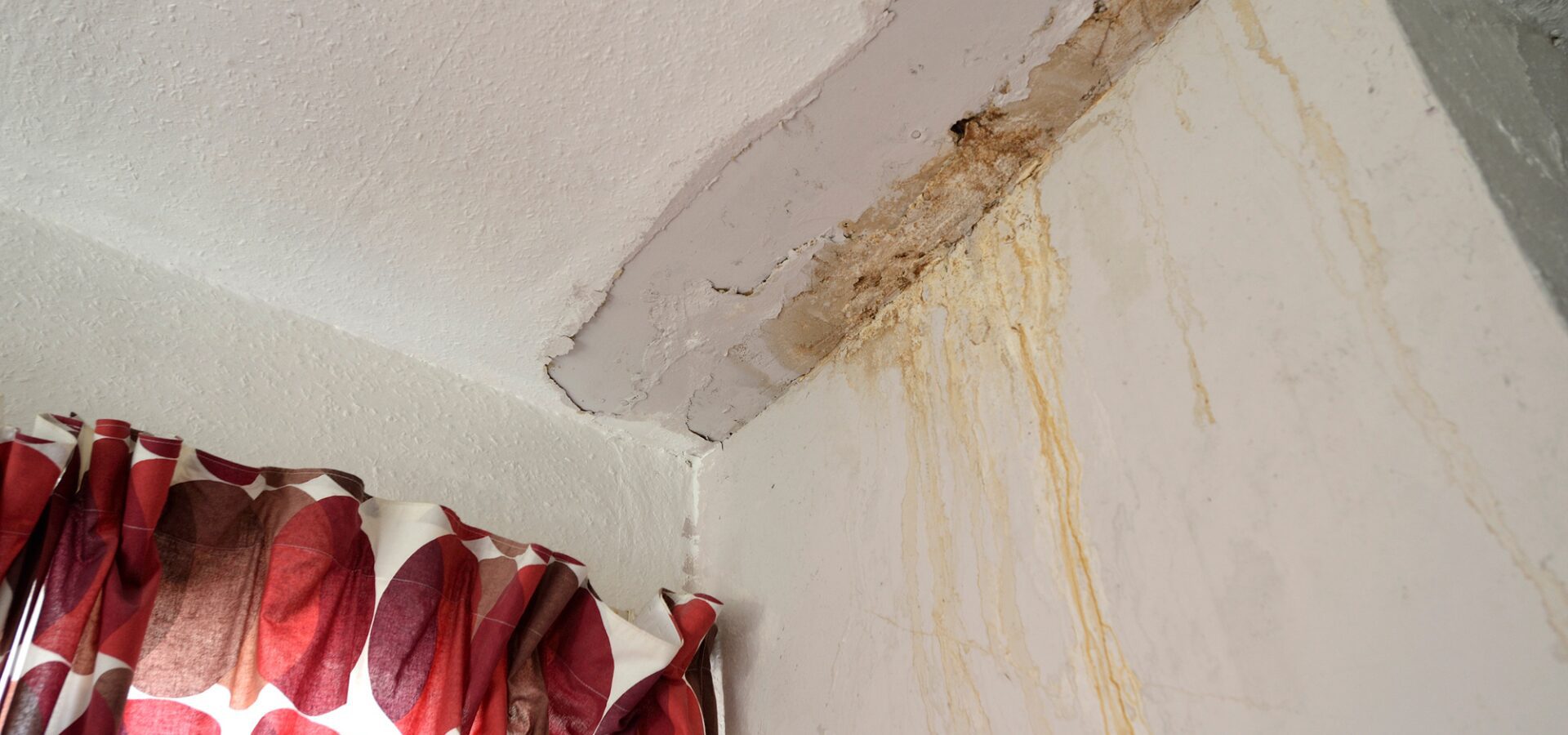
Every year, thousands of tenants across England and Wales live with damp, mould, leaking roofs, and broken heating because their landlord will not act. Housing disrepair is not a maintenance inconvenience. It is a legal failure with real consequences for health, safety, and quality of life.
In July 2026, Coronation Street brought housing disrepair into living rooms across the country in a way that no government report or housing campaign has quite managed. In the storyline, Abi Webster’s young son Alfie is rushed to hospital after doctors confirm his breathing problems are a direct result of black mould growing in his bedroom. Abi had been leaving voicemails for her landlord, Idris, for some time, never once receiving a response, and not even knowing his name. The mould had been spreading across the wall behind Alfie’s bed while her calls went unanswered.
It is fictional. But for a significant number of tenants in England and Wales, it is also entirely recognisable.
The storyline matters not because soap operas set legal precedent, but because they reflect lived experience back to people who may not have realised that what is happening to them has a name, a legal framework, and a remedy. Abi’s response, to seek legal advice and take action, is exactly what tenants in her position are entitled to do in real life.
Housing disrepair is not general wear and tear, and it is not a subjective complaint about an ageing property. It is a specific legal concept describing a landlord’s failure to meet their repairing obligations under statute.
Under Section 11 of the Landlord and Tenant Act 1985, most residential landlords, including private landlords, councils, and housing associations, are legally required to keep in repair:
This obligation is implied into most residential tenancies by law. A landlord cannot contract out of it, and a tenancy agreement that attempts to place these obligations onto the tenant is unlikely to be enforceable.
Where damp and mould arise from a structural defect, such as poor insulation, failed waterproofing, or defective guttering, rather than the tenant’s own behaviour, this will generally fall within the landlord’s repairing obligations. The fact that a tenant dries laundry indoors or does not ventilate a property sufficiently is often raised as a defence by landlords, but whether this defence succeeds depends on the individual facts, including whether the property was provided with adequate ventilation in the first place.
The Coronation Street storyline did not sensationalise what mould does to a child’s lungs. The link between damp, mould, and respiratory illness is well established medically, and particularly serious for young children, elderly people, and those with pre-existing conditions such as asthma or compromised immune systems.
Exposure to mould spores can cause or worsen:
The tragic case of two-year-old Awaab Ishak, who died in December 2020 as a result of prolonged exposure to mould in a housing association property in Rochdale, prompted a significant shift in how housing disrepair, and specifically damp and mould, is treated in law and regulation. The Awaab’s Law provisions, introduced through the Social Housing (Regulation) Act 2023, place new obligations on social landlords to investigate and address damp and mould hazards within defined timeframes. This represents a legislative acknowledgement that mould is not a cosmetic inconvenience. It is a health hazard that landlords are required to take seriously and act on quickly.
Despite the legal framework being clear, many tenants affected by housing disrepair do not pursue a claim. The reasons are understandable, even if the result is avoidable.
Some tenants do not know their landlord has a legal obligation to repair, and assume that tolerating poor conditions is simply part of renting. Others are concerned about damaging their relationship with their landlord, or fear that complaining could lead to eviction. Many assume the process of making a claim will be expensive, complicated, or simply not worth pursuing for a disrepair issue that has not yet caused serious harm.
The Abi Webster storyline cuts through several of these barriers at once. It shows a tenant who was not being unreasonable, was not making excessive demands, and was simply trying to get a landlord to return a call. It shows the consequences of a landlord’s inaction, not as an abstract legal breach but as a child in intensive care. And it shows a tenant being encouraged, by those around her, to seek proper legal advice rather than accept the situation.
That is exactly the right response, and it is one available to real tenants facing comparable conditions.
Where a landlord has been given notice of a disrepair issue and has failed to carry out repairs within a reasonable time, a tenant may have grounds for a claim. The process is structured and is not as difficult to begin as many tenants fear.
Most housing disrepair claims follow the Housing Conditions Pre-Action Protocol, which sets out the steps both parties should take before court proceedings are considered. This involves:
Where disrepair has caused personal injury or illness, Section 4 of the Defective Premises Act 1972 may also be relevant. This provision imposes a duty of care on a landlord who has an obligation to repair and who knew, or ought to have known, of the defect. A child hospitalised as a result of mould that a landlord was aware of, and failed to address, is precisely the kind of situation this provision was designed to address.
Compensation where a claim succeeds can cover loss of enjoyment of the property, damaged belongings, increased costs incurred as a result of the disrepair, and, where supported by medical evidence, losses arising from personal injury or illness. You can read more about how claims are assessed on our housing disrepair claims page and our guide to housing repair breach claims.
It is worth being direct about something. Compensation matters, and tenants who have been living in dangerous conditions, or whose children have been made ill by a landlord’s neglect, deserve to be properly compensated for that. But housing disrepair claims serve a broader purpose.
Every claim brought against a landlord who ignores repair obligations creates a record, and a consequence, that makes it harder for poor standards to persist unchallenged. Landlords who face legal action for neglecting repairs are more likely to respond promptly to future complaints. Housing associations and councils whose repair failures are documented in court proceedings face scrutiny, both regulatory and reputational, that routine complaints do not generate.
The goal is habitable homes. Legal action is one of the most effective tools available to tenants to insist on them.
If you recognise your own situation in any of the above, the following steps are worth taking now:
Satchell Moran Solicitors acts for tenants across England and Wales who are living with unresolved housing disrepair. We hold dual Lexcel accreditation, operate on a no win, no fee basis, and have specialist experience bringing claims against both private landlords and social landlords, including councils and housing associations. If you are concerned about the condition of your home, get in touch today. There is no cost to your initial enquiry and no obligation to proceed.
Start your claimHousing disrepair refers to a landlord’s failure to meet their repairing obligations under statute, most commonly Section 11 of the Landlord and Tenant Act 1985. It covers defects to the structure and exterior of a property and to installations for heating, water, and sanitation, and is distinct from general wear and tear or cosmetic deterioration.
Where mould arises from a structural defect the landlord is responsible for, such as poor insulation, defective roofing, or failed waterproofing, the landlord is generally required to address both the defect and its consequences, including the mould itself. Whether lifestyle factors contributed is assessed case by case.
Awaab’s Law refers to provisions introduced through the Social Housing (Regulation) Act 2023, requiring social landlords to investigate and address damp and mould within defined timeframes. It applies to social housing tenants, including those renting from councils and housing associations, and represents a significant strengthening of tenants’ rights in this area.
An offer to carry out repairs after the fact does not necessarily extinguish a claim for the period during which the disrepair existed and affected you. Compensation for loss of enjoyment and any financial losses incurred during that period may still be available even where a landlord subsequently addresses the problem.
Condensation is a common defence raised by landlords, but whether it holds up depends on whether the property was adequately insulated and ventilated. An independent surveyor’s report, obtained as part of the pre-action protocol process, will usually address this directly and provide objective evidence on the cause of the problem.
Yes. Where disrepair has caused or contributed to illness in a member of your household, including a child, a personal injury element may form part of the claim under Section 4 of the Defective Premises Act 1972, provided there is medical evidence linking the illness to the conditions in the property
This depends on the specific facts, including how long the issue has persisted, how it has affected your household, and whether your landlord was given reasonable notice and opportunity to act. A solicitor specialising in housing disrepair can assess the merits of your situation, usually without charge for the initial enquiry.