


Satchell Moran Solicitors
10 Dryden Road
Wavertree Technology Park
Liverpool, L7 9PG
0151 268 8282
info@satchellmoransolicitors.com
Satchell Moran Solicitors
10 Dryden Road
Wavertree Technology Park
Liverpool, L7 9PG
0151 268 8282
info@satchellmoransolicitors.com




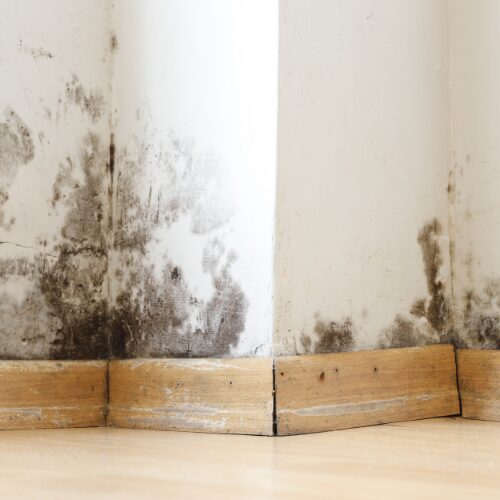
If you have reported issues in your rented property, such as mould or faulty electrics, and your landlord has failed to act, you may be entitled to housing disrepair compensation.
Living with unresolved disrepair can affect your health, damage your possessions, and make your home unsafe. Our guide outlines how the housing disrepair claims process works and what steps you can take to ensure your landlord meets their legal responsibilities.
Disrepair claims can be made by tenants living in rented properties when their landlord fails to carry out necessary repairs after being notified, including housing repair breaches. HDR claims ensure that landlords fulfil their legal duty to keep their properties in a safe and habitable condition.
You may also be able to claim compensation for housing disrepair, for any distress, personal injury, or damage you experienced as a result of your landlord’s failure to maintain the property.
There are various types of housing disrepair that renters may struggle with. Here are some of the most common:
At Satchell Moran, we have successfully dealt with thousands of disrepair compensation cases. Get in touch with us today.
Typical stages in the housing disrepair process include:
Read more about the housing disrepair process, otherwise known as the pre-action protocol, in our informative blog.
You can claim various types of housing disrepair compensation. The exact amount will depend on how serious the issues are, how long they have been left unaddressed, and the impact the disrepair has had on you.
Compensation for pain and suffering relates to the impact the disrepair has on your health, comfort, and use of your home. You can be compensated for physical symptoms, such as breathing problems from damp or mould and the stress the disrepair caused.
If the disrepair has damaged your personal belongings, you can claim the cost of repairing or replacing them. For example, you can claim disrepair compensation for furniture damaged by leaks, clothes ruined by mould, or electrical equipment damaged by faulty wiring. It is important to keep evidence, such as photos, to prove the link to the disrepair and the damaged property.
You can also claim compensation for disrepair based on the financial losses the property issues have caused. Examples include higher heating bills due to draughts, costs of temporary accommodation if your home became uninhabitable, travel costs, or loss of income if you had to take time off work to deal with property fixes or inspections.
How much housing disrepair claims compensation you can obtain depends on the seriousness of the issues, how long they lasted, and how they affected your use of your home, your health and your finances.
In many cases, housing disrepair compensation is calculated as a percentage of your rent for the period the issues were present, with more serious problems warranting a higher percentage and smaller issues a lower one.
Read more about how compensation is calculated in our article: Understanding housing disrepair compensation.
To bring a housing disrepair claim against a landlord, you must clearly show what the problems are, that your landlord knew about them, and that they failed to put them right, plus how this has affected you.
Key things you will usually need include:
Our housing disrepair solicitors will review this information, advise on the strength of your house disrepair claim, and assist you in obtaining any additional evidence, such as a surveyor’s report, if needed.
You can bring a housing disrepair claim against most types of residential landlords, provided they are responsible for property repairs and have failed to fix reported issues.
If you rent from a private individual or company, you can make a housing disrepair claim against them if they have not completed necessary repairs after being notified. The property disrepair claim will be based on your tenancy agreement and the landlord’s legal requirement to maintain the property, including the exterior, interior, and features, such as heating, water, gas, and electrics.
If your landlord is the council or another local authority, you can also bring a housing disrepair claim if they have failed to act on reported problems. In these instances, the council still has a legal requirement to uphold properties to a reasonable standard.
You should consider making a housing disrepair claim if serious problems in your rented property haven’t been fixed within a reasonable time after you have reported them, and they are affecting your health, safety, belongings, or daily life.
If you have repeatedly told your landlord about issues such as damp, mould, leaks, broken heating, or faulty electrics and they still have not put things right, a claim can help force proper repairs and compensate you for the inconvenience and loss you have suffered.
Reminder: You typically need to be within the legal time limits, six years for disrepair and three years for the personal injury caused by it, and have evidence that you reported the problems and your landlord failed to act.
Satchell Moran’s housing disrepair team can review your situation, advise if you have a claim, and handle the process of securing repairs and compensation on your behalf.
To get started, you can contact us for a free, no-obligation consultation and arrange a call with a member of the housing disrepair team.
Start your claim