


Satchell Moran Solicitors
10 Dryden Road
Wavertree Technology Park
Liverpool, L7 9PG
0151 268 8282
info@satchellmoransolicitors.com
Satchell Moran Solicitors
10 Dryden Road
Wavertree Technology Park
Liverpool, L7 9PG
0151 268 8282
info@satchellmoransolicitors.com
If you rent from a housing association or the council and your landlord has failed to deal with rats, mice or other vermin in your Liverpool home, you may be entitled to compensation and to have the problem fixed. Contact Satchell Moran's specialist housing disrepair team to start your claim.


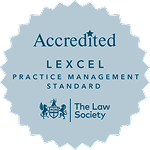


Rats and vermin are being reported by tenants right across Liverpool. Living with droppings, gnawing noises in the walls and ceilings, contaminated food and the constant worry about your family’s health is stressful, and it should never be something you simply have to put up with.
Housing associations and councils have legal duties to keep their homes safe, in good repair and fit to live in. Where an infestation has been caused or made worse by disrepair, or where your landlord has been told about the problem and has failed to deal with it properly, you may be able to claim compensation as well as getting the work done.
Satchell Moran’s housing disrepair solicitors act for tenants of housing associations and councils on a no win, no fee basis. If you are living with rats or other vermin in a social rented home, contact us to find out where you stand.
Start Your No Win No Fee Claim TodayFundamental Rights
As a social housing tenant, you have the right to a home that is safe, hygienic and free from infestation caused by disrepair.
Compensation Claims
If your landlord has failed to act on a reported infestation, you may be entitled to compensation as well as the work itself being carried out.
Expert Representation
Specialist no win, no fee legal support for housing association and council tenants in Liverpool.
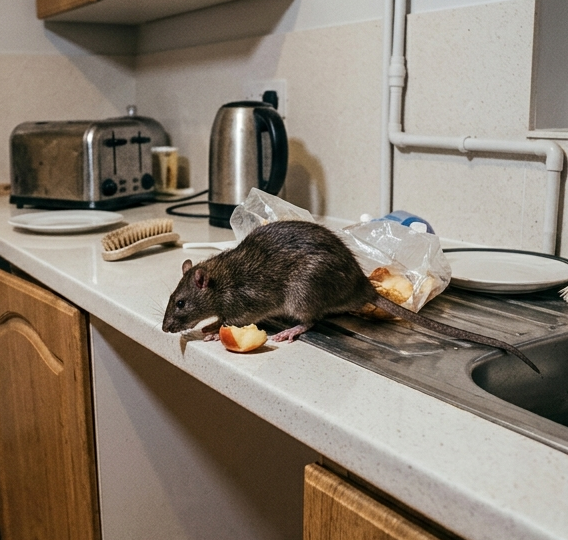
Tenants in parts of Liverpool have been reporting a noticeable rise in rats and vermin around their homes.
Figures from Rentokil Pest Control show that confirmed rodent activity across the UK rose by around 10% between 2024 and 2025, with the North West seeing one of the sharpest regional increases at 19%. Experts link this to a run of warm years, which lengthens the rat breeding season, and to an unusually wet start to 2026. Heavy rain can flood burrows and sewer networks, pushing rats above ground and towards nearby homes.
But weather and rising populations do not remove a landlord’s responsibilities. Rats get into homes through gaps in brickwork, damaged airbricks, broken pipework and defective drains, and they are drawn to rubbish, fly-tipping and poorly managed communal bin areas. Where these problems are the landlord’s to fix, a failure to act can leave tenants living with a serious health hazard.
Rats can spread disease through their droppings and urine, contaminate food and surfaces, and gnaw through electrical wiring, creating a fire risk. Families with young children, older people and anyone with a health condition are particularly vulnerable.
Not every infestation will give rise to a claim, but if you have reported rats or vermin and your landlord has failed to deal with the cause, you do not have to accept the situation.
Droppings, scratching and gnawing noises, or rats found in cavities, ceilings and communal loft spaces. This is often linked to gaps in the structure that the landlord has failed to seal.
Repeated sightings around bins, shared yards and communal areas, particularly where waste is not managed properly or fly-tipping has been left to build up.
Broken or missing airbricks, holes around pipework and damaged brickwork or doors that give rodents a way into your home and have not been repaired after being reported.
Broken or collapsed drains and damaged pipes that allow rats to enter the property or breed beneath it.
Mice, cockroaches and other pests linked to disrepair, damp conditions or poor waste disposal that your landlord has failed to resolve.
Contaminated food, chewed furniture and cabling, ruined belongings, and illness or distress caused by living with an infestation. These losses may be included in your claim.
This page covers housing association and council tenants only. Unfortunately, we are unable to act in claims against private landlords.
More about us and how we helpYou are a tenant of a housing association or Liverpool City Council property
You reported the rats or vermin to your landlord in writing or have a clear record of having done so
Your landlord has failed to deal with the infestation, or the disrepair causing it, within a reasonable time
Our specialist housing disrepair solicitors act for housing association and council tenants on a no win, no fee basis. There is no financial risk in finding out where you stand.
Under Section 11 of the Landlord and Tenant Act 1985, your landlord has an implied obligation to keep the structure and exterior of your home, and the installations for water, gas, electricity, heating and sanitation, in good repair. Where an infestation is caused by defects such as holes in the structure, damaged airbricks or broken drains and pipes, this duty can be engaged.
This is reinforced by the Homes (Fitness for Human Habitation) Act 2018, which requires your home to be fit for human habitation and gives tenants a direct right to take action if it is not. Under the Housing Health and Safety Rating System, introduced by the Housing Act 2004, pests and poor domestic hygiene are recognised as hazards that landlords are expected to address.
Separately, Section 4 of the Defective Premises Act 1972 places a duty of care on a landlord who has an obligation, or the right, to repair the property. This duty is owed not just to the tenant but to anyone who might reasonably be affected by a defect, including household members and visitors, and can support a claim where disrepair has caused personal injury or damage to belongings, in addition to a standard disrepair claim.
These duties apply to housing associations and councils regardless of their size or resources.

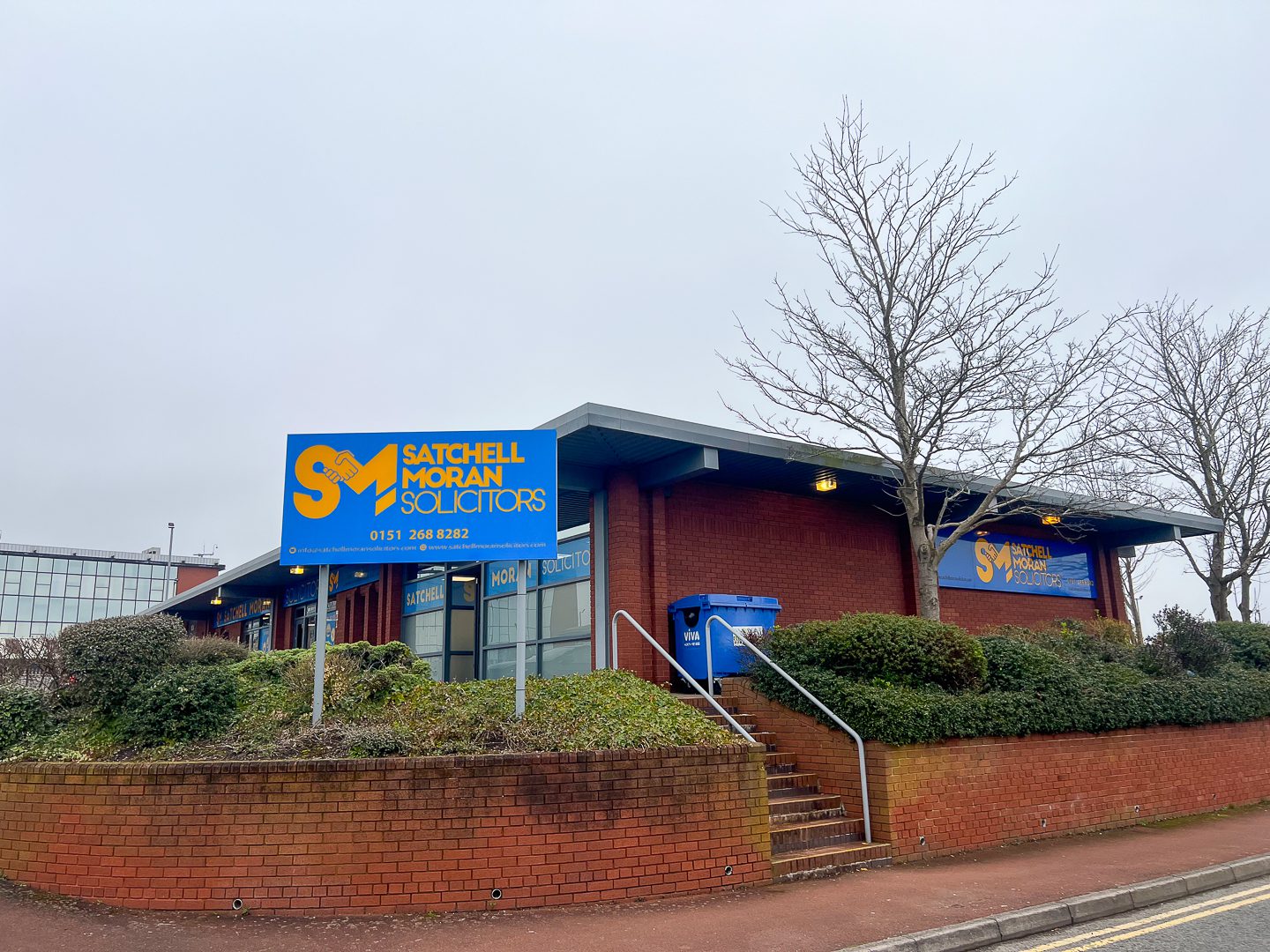
We handle housing disrepair and infestation claims against housing associations and councils on a no win, no fee basis. This means:
– No upfront legal fees
– You pay nothing if your claim is unsuccessful
– Our fee is only taken from compensation if your claim succeeds
– After-the-Event insurance can cover disbursement costs as your claim progresses
We will also assess whether your case may need to follow the Pre-Action Protocol for Housing Condition Claims before formal proceedings are issued, and explain each step in plain English as your claim progresses.
Where you have reported the problem and your landlord has failed to deal with the infestation or the disrepair behind it, you may be able to claim compensation and have the necessary repairs carried out. Each case depends on its own facts, so we will review yours.
It depends on the cause. Landlords are generally responsible for the structure and exterior of the property, drains and pipes they own, and communal areas they manage. If rats are entering because of gaps, damaged airbricks or defective drains, or because communal waste is not being managed, your landlord may be responsible. We will look at the evidence to establish where responsibility lies.
Yes. You do not need to have moved out to bring a claim. In fact, claims are often used to compel landlords to carry out treatment and repairs while you remain living there, alongside seeking compensation.
No. It is unlawful for your landlord to evict you, increase your rent, or otherwise penalise you simply for making a housing disrepair claim or reporting disrepair.
This depends on the severity and duration of the infestation, any damage to your belongings, and the impact it has had on you and your family. For a general guide to how compensation is calculated, see our housing disrepair compensation guide.
Keep any emails, letters, texts and repair reference numbers showing when you reported the problem. Take dated photographs or videos of droppings, damage and entry points, and keep any pest control reports, receipts for damaged items and notes of how the infestation has affected you.