


Satchell Moran Solicitors
10 Dryden Road
Wavertree Technology Park
Liverpool, L7 9PG
0151 268 8282
info@satchellmoransolicitors.com
Satchell Moran Solicitors
10 Dryden Road
Wavertree Technology Park
Liverpool, L7 9PG
0151 268 8282
info@satchellmoransolicitors.com
If you're a Sanctuary Housing tenant living with damp, mould, leaks or other unresolved repairs, our housing disrepair solicitors can help you claim compensation and get the work done. Contact Satchell Moran's specialist housing disrepair team to start your claim.
Start Your Claim




Sanctuary Housing is one of England’s largest housing associations, managing more than 100,000 affordable homes, primarily across England and Scotland, with around 85,765 social homes registered in England alone. As a registered social landlord, Sanctuary has a legal duty to keep its properties safe, structurally sound and fit for tenants to live in.
If you are a Sanctuary tenant living with damp, mould, leaks, broken heating, structural problems or other unresolved repairs, you may be entitled to compensation, alongside having the repairs carried out.
Satchell Moran’s housing disrepair solicitors act for tenants of housing associations and councils across England and Wales on a no win, no fee basis. If Sanctuary has failed to repair your home, contact us to find out where you stand.
Fundamental Rights
As a Sanctuary tenant, you have the right to a home that is safe, secure and free from disrepair.
Compensation Claims
If Sanctuary has failed to act on reported repairs, you may be entitled to compensation as well as the work itself being carried out.
Expert Representation
Specialist no win, no fee legal support for Sanctuary tenants across England and Wales.
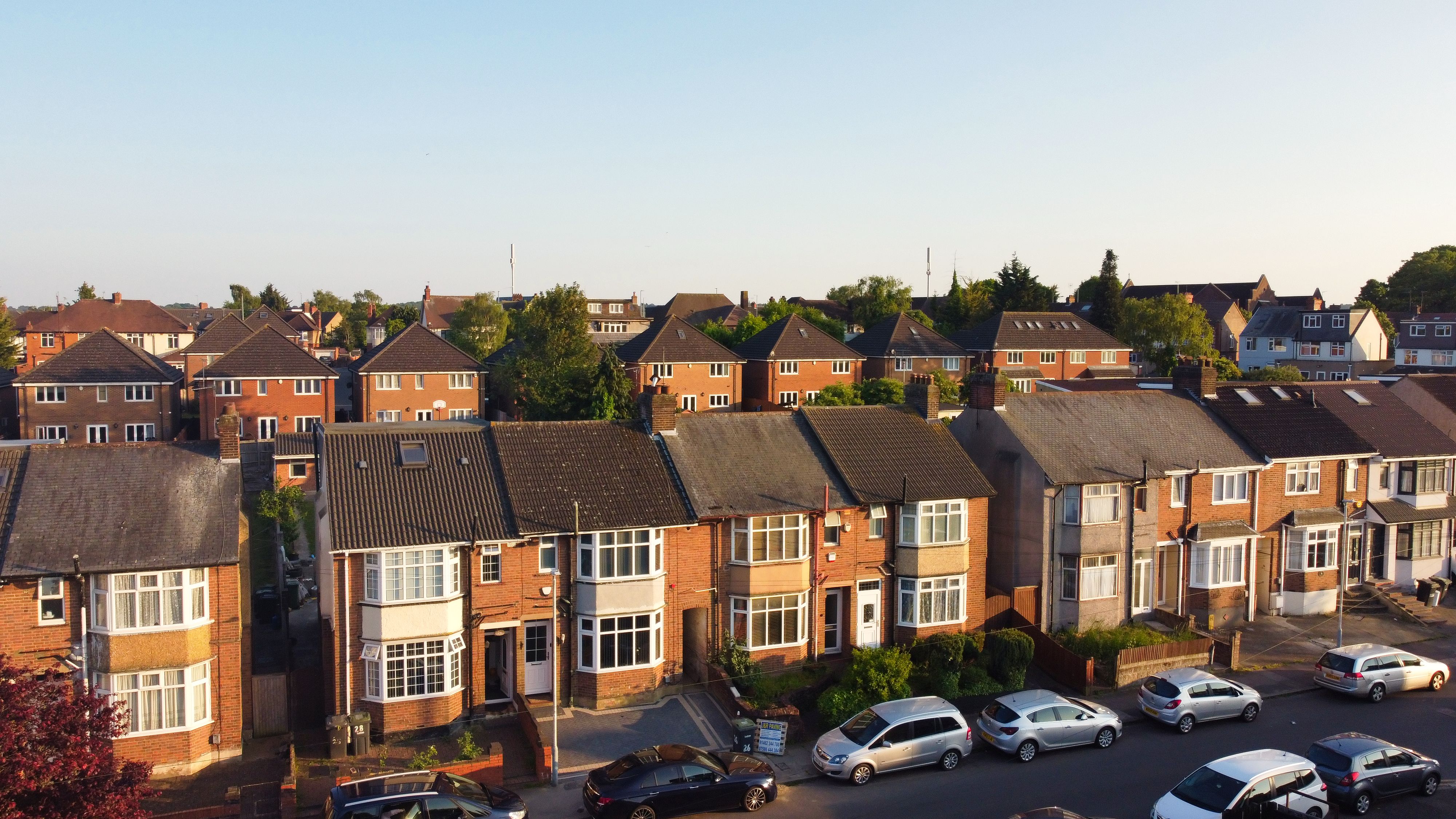
Sanctuary Housing has been the subject of formal scrutiny by both the Housing Ombudsman Service and the Regulator of Social Housing, the two independent bodies responsible for holding social landlords to account.
Between 2023 and 2024, the Housing Ombudsman made two findings of severe maladministration against Sanctuary relating to its handling of leaks, damp and mould. Because these findings related to similar, recurring failures, the Ombudsman used its power under the Social Housing (Regulation) Act 2023 to issue Sanctuary with a wider order, requiring it to carry out an independent review of its policies and practices. That review examined nearly 4,000 Sanctuary properties and identified issues including repair delays, inconsistent record-keeping, and inadequate staff training around recognising tenant vulnerabilities during repairs and complaints.
Separately, following an inspection in January 2025, the Regulator of Social Housing identified weaknesses in Sanctuary’s delivery of an effective, efficient and timely repairs and maintenance service, and downgraded its consumer standards grade to C2 at that time.
Sanctuary has since increased its annual spend on maintaining its homes, reaching £274 million in 2025, a year-on-year increase of around 20%, and restructured its repairs service. Following a further regulatory judgement in May 2026, the Regulator upgraded Sanctuary’s consumer grade back to C1, confirming it is currently meeting the required outcomes across all consumer standards, alongside G1 governance and V2 financial viability grades.
This means Sanctuary’s overall regulatory position has improved. However, individual Ombudsman determinations against Sanctuary involving repairs, damp and mould, and complaint handling continue to be published on an ongoing basis, and Sanctuary’s own published figures show it received three further severe maladministration determinations in the first quarter of 2026 alone.
This history does not mean every Sanctuary tenant has a claim, but it does mean Sanctuary’s record on repairs has been, and continues to be, independently and formally scrutinised. If you are experiencing similar issues, you are not alone, and you do not have to accept the situation.
The single most frequently raised issue in Ombudsman findings against Sanctuary. If damp or mould has been reported and not properly treated at its source, this may form the basis of a claim.
Leaking roofs, pipes or guttering that Sanctuary has been notified about but has failed to repair within a reasonable timeframe.
Persistent pest problems linked to structural disrepair, such as gaps, damp conditions or waste disposal issues that Sanctuary has failed to resolve.
Broken boilers, heating systems or hot water supplies left unrepaired, particularly where this affects vulnerable residents during winter months.
Cracked walls, ceilings, unsafe flooring or window and door defects affecting the safety of the property.
Faulty wiring, exposed cabling or unsafe gas installations that Sanctuary has not addressed.
You may be eligible to make a housing disrepair claim against Sanctuary if:
More about us and how we helpYou are a tenant of a Sanctuary property in England or Wales
You reported the disrepair to Sanctuary in writing or have a clear record of having done so
Sanctuary has failed to carry out repairs within a reasonable time
Our specialist housing disrepair solicitors act for tenants across England and Wales on a no win, no fee basis. There is no financial risk in finding out where you stand.

We handle housing disrepair claims against Sanctuary on a no win, no fee basis. This means:
We will also assess whether your case may need to follow the Pre-Action Protocol for Housing Condition Claims before formal proceedings are issued, and explain each step in plain English as your claim against Sanctuary progresses.
Yes. You do not need to have moved out to bring a disrepair claim. In fact, claims are often used to compel Sanctuary to carry out repairs while you remain living there, alongside seeking compensation.
No. It is unlawful for Sanctuary to evict you, increase your rent, or otherwise penalise you simply for making a housing disrepair claim or reporting disrepair.
This depends on the severity and duration of the disrepair, and the impact it has had on you. For a general guide to how compensation is calculated, see our housing disrepair compensation guide.
Sanctuary’s overall regulatory grading has improved, and the Regulator of Social Housing upgraded its consumer standards rating to C1 in May 2026, recognising recent improvements to its repairs service. However, individual Ombudsman determinations against Sanctuary involving repairs, damp and mould continue to be made, so an improved overall rating does not mean every individual repair issue is being resolved promptly.
You do not need to use a solicitor; you can refer a complaint to the Housing Ombudsman yourself free of charge once you have exhausted Sanctuary’s internal complaints process. Many tenants choose to instruct a solicitor to run a formal legal claim for compensation and to enforce repairs, particularly where Sanctuary has failed to resolve the issue through its own complaints process.
An offer from Sanctuary does not necessarily reflect the full value of your claim, particularly if it was made outside Sanctuary’s formal complaints process. We can review any offer you have received before you accept it.
In most cases, you have six years from when the disrepair began, or from when Sanctuary was made aware and failed to act, to bring a claim. Time limits can vary depending on the type of claim and individual circumstances. For full detail on limitation periods, see our guide to housing disrepair compensation.