


Satchell Moran Solicitors
10 Dryden Road
Wavertree Technology Park
Liverpool, L7 9PG
0151 268 8282
info@satchellmoransolicitors.com
Satchell Moran Solicitors
10 Dryden Road
Wavertree Technology Park
Liverpool, L7 9PG
0151 268 8282
info@satchellmoransolicitors.com




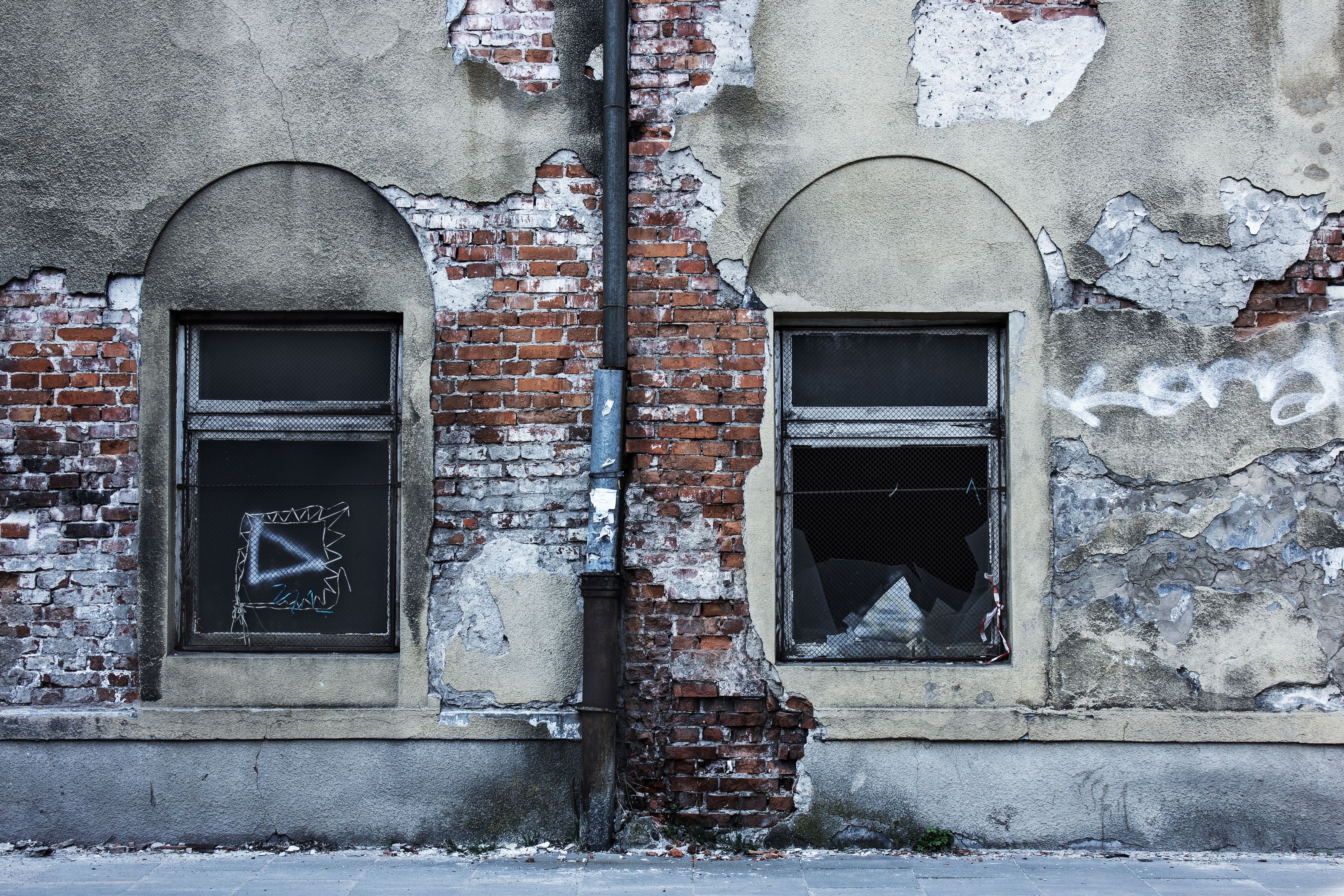
Council and housing association tenants in England and Wales have legally enforceable rights when their landlord fails to maintain their home to the standard required by law. Where a social landlord has been notified of disrepair and failed to carry out repairs within a reasonable time, tenants can pursue a civil claim for compensation and to compel the required works, and they do not need to fund that process upfront.
Social housing disrepair refers to the failure of a council or housing association to maintain a rented property to the standard the law requires. It is not a vague concept: it has a specific legal meaning grounded in statutory obligations that apply to all social landlords regardless of the terms of any individual tenancy agreement.
Disrepair covers defects to the physical condition of the property, not dissatisfaction with how a landlord manages the tenancy more broadly. Common categories include:
The distinction that matters legally is between disrepair that arises from a defect in the structure or installations the landlord is responsible for, and general wear and tear or issues caused by the tenant’s own actions. A landlord who dismisses a repair complaint as the tenant’s own fault, without investigating, is not in a safe legal position.
The primary source of a social landlord’s repairing obligations is Section 11 of the Landlord and Tenant Act 1985. This provision implies into most residential tenancies a statutory obligation on the landlord to keep in repair:
These obligations apply regardless of what the tenancy agreement says. A landlord cannot contract out of Section 11, and any term in a tenancy agreement attempting to place these responsibilities on the tenant is unlikely to be enforceable.
The obligation is triggered by notice. Once a landlord is aware of a defect, whether through a direct report from the tenant or through any other means that gives them actual or constructive knowledge of the problem, they must carry out the necessary repair within a reasonable time. What is reasonable depends on the severity: an emergency such as a burst pipe or gas fault must be addressed very quickly, while a less acute defect may allow somewhat more time.
The Homes (Fitness for Human Habitation) Act 2018, now incorporated as Section 9A of the Landlord and Tenant Act 1985, requires landlords to ensure the property is fit for human habitation at the start of the tenancy and throughout. Factors that can render a property unfit include damp, structural instability, inadequate ventilation, and defective sanitation. This provides a separate and additional basis for a claim in cases where the condition of the property reaches the unfitness threshold.
Awaab’s Law, brought into force on 27 October 2025 through the Hazards in Social Housing (Prescribed Requirements) (England) Regulations 2025, introduced mandatory response timeframes for social landlords dealing with damp, mould, and other hazards. These are not aspirational targets: they are statutory obligations implied into social housing tenancy agreements.
Under Phase 1, now in force, social landlords must:
For emergency hazards of any kind, including structural risks, flooding, or defective gas or electrical installations, the landlord must investigate and make the property safe within 24 calendar hours. If the property cannot be made safe in that time, the landlord must provide alternative accommodation at their own expense.
Phase 2 of Awaab’s Law, coming into force on 30 November 2026, will extend these timeframes to a broader range of hazards including excess cold, falls, structural collapse, and electrical and fire hazards.
Where disrepair has caused personal injury or illness, Section 4 of the Defective Premises Act 1972 provides a further basis for a claim. This provision imposes a duty of care on a landlord who has a repairing obligation and who knew, or ought reasonably to have known, of the defect. A landlord cannot escape this duty by failing to inspect the property: where a defect would have been apparent on a reasonable inspection, constructive knowledge is sufficient to engage the obligation.
The Housing Ombudsman Service is an independent body that investigates complaints against social landlords. Before approaching the Ombudsman, tenants must generally complete their landlord’s internal complaints process, which most social landlords operate on a two-stage basis with responses typically expected within 10 and 20 working days respectively.
The Ombudsman can investigate complaints, find maladministration, require landlords to carry out works, and order compensation. However, there are important limitations to the Ombudsman route that tenants should understand:
A civil housing disrepair claim against a council or housing association follows the Housing Conditions Pre-Action Protocol, a structured process intended to resolve disputes without court proceedings where possible. The steps are as follows:
Most housing disrepair claims settle through negotiation rather than at trial. Where a social landlord has already failed to meet the Awaab’s Law timeframes, that documented failure strengthens the tenant’s evidential position in the civil claim.
You can find out more about what to expect from the process in our housing disrepair claims overview and our detailed guide to no win no fee housing disrepair.
Compensation in a successful social housing disrepair claim covers several heads of loss. A full breakdown of how awards are assessed is available in our housing disrepair compensation guide. In summary:
General damages for loss of enjoyment compensate for the period during which the disrepair affected your use of the property, typically calculated as a percentage reduction in rent reflecting the severity and extent of the problem.
General damages for personal injury, where disrepair has caused illness or injury, assessed in accordance with the Judicial College Guidelines and supported by medical evidence.
Special damages, covering specific quantifiable losses such as damaged belongings, increased heating costs, alternative accommodation expenses, and medical costs not covered by the NHS.
Compensation will depend on the specific facts of your case, including how long the disrepair persisted, how severely it affected your household, and the quality of the evidence gathered. There is no fixed tariff, and any estimate should be treated as indicative until a solicitor has reviewed the full picture.
Yes. You do not need to have moved out to bring a housing disrepair claim. Many tenants pursue claims while remaining in occupation, and claims are frequently resolved alongside an agreement that the outstanding repairs will be carried out. Staying in the property does not affect your right to compensation for the period during which the disrepair persisted.
Landlords cannot lawfully evict a tenant in retaliation for pursuing a legitimate housing disrepair complaint. Retaliatory eviction in response to a genuine repair complaint is restricted under housing law, and a solicitor acting for you can advise on your specific position if you have concerns about your tenancy security.
If you are a council or housing association tenant living with unresolved disrepair, the following steps will put you in the strongest possible position:
Satchell Moran Solicitors acts for council and housing association tenants across England and Wales in social housing disrepair claims. We hold dual Lexcel accreditation and act on a no win, no fee basis, meaning there is no upfront cost to starting a claim and no solicitor’s fee if the claim is unsuccessful. Get in touch today for an initial enquiry at no cost and no obligation.
Start your claimNo. The Housing Ombudsman and a civil legal claim are separate routes and neither is a prerequisite for the other. You can pursue a civil claim without having been through the Ombudsman, and the two processes can run alongside each other. Where an Ombudsman finding of maladministration already exists, it can be useful supporting evidence in a civil claim.
Rent arrears and housing disrepair are generally treated as separate legal issues. Being in arrears does not automatically prevent you from bringing a disrepair claim, though it is important to disclose this to your solicitor early so they can advise on how it may affect your specific case.
Partial repairs do not extinguish the claim for the period during which unresolved disrepair continued to affect you. Where some works have been carried out and others remain outstanding, the claim covers the full period during which any element of the disrepair persisted and the landlord was in breach.
Not yet. Awaab’s Law currently applies to social housing tenants, meaning those renting from councils and housing associations. The Renters’ Rights Act 2025 contains provisions to extend equivalent obligations to private landlords, with Phase 3 of Awaab’s Law expected from October 2026.
Landlords frequently dispute liability, particularly for damp and mould where they may attribute the problem to the tenant’s lifestyle or behaviour. This is one reason why an independent surveyor’s report, obtained during the pre-action protocol process, is central to most claims. The surveyor’s findings on the cause and nature of the defect are difficult for a landlord to simply dismiss.
Most housing disrepair claims are resolved through negotiation under the pre-action protocol without court proceedings. Straightforward cases with a cooperative landlord and clear evidence may resolve in several months. Cases involving disputed liability or complex health evidence may take longer. Your solicitor should give you a realistic indication once they have reviewed your specific circumstances.
Yes. A landlord carrying out repairs does not eliminate the claim for the period during which the disrepair existed and went unaddressed. Compensation for loss of enjoyment, health impact, and financial losses incurred during that period remains recoverable even where the works have since been completed.