


Satchell Moran Solicitors
10 Dryden Road
Wavertree Technology Park
Liverpool, L7 9PG
0151 268 8282
info@satchellmoransolicitors.com
Satchell Moran Solicitors
10 Dryden Road
Wavertree Technology Park
Liverpool, L7 9PG
0151 268 8282
info@satchellmoransolicitors.com




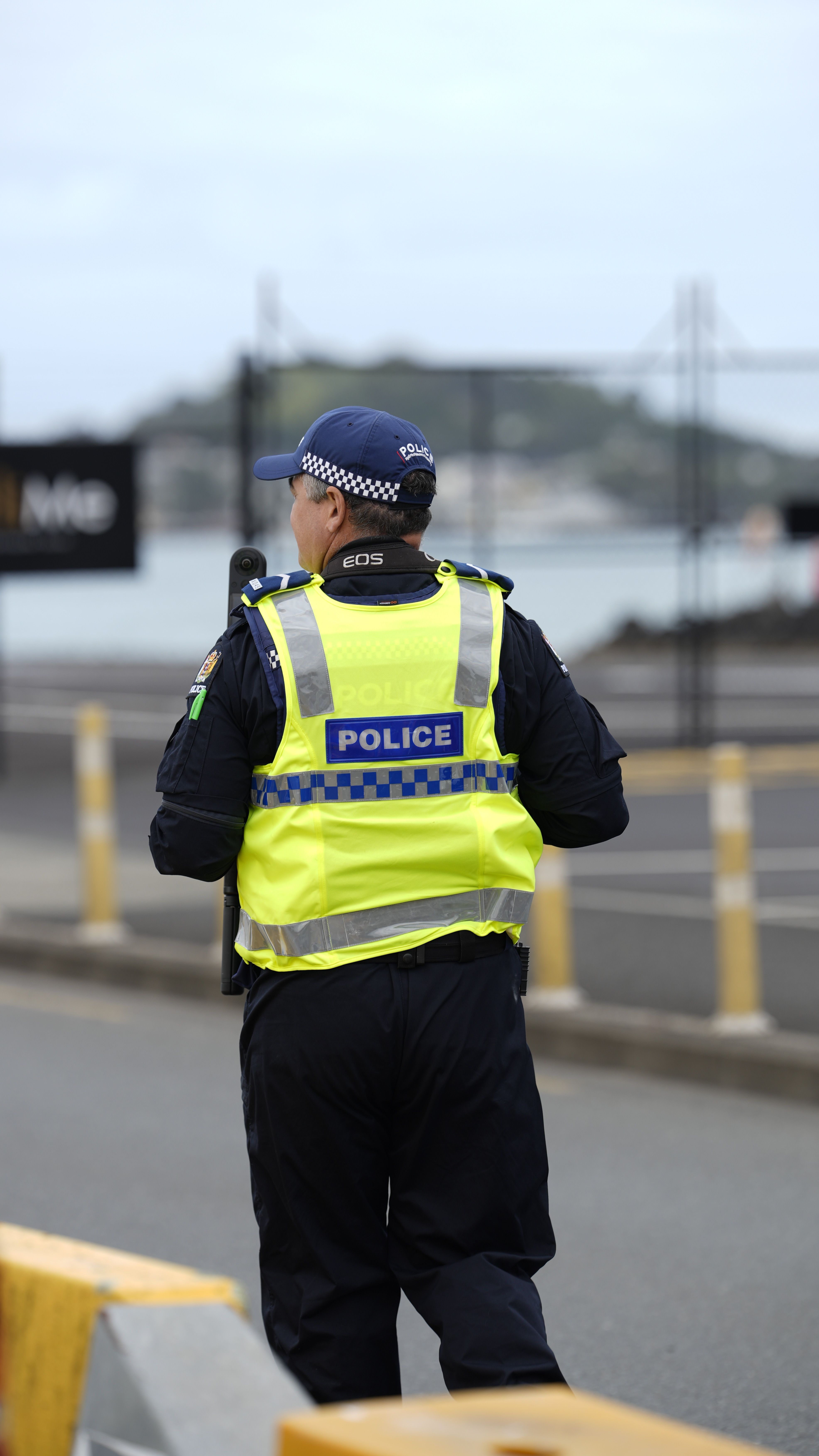
Police misconduct is any conduct by an officer that falls below the standards the law and public expect, ranging from minor breaches of professional behaviour to serious unlawful acts such as wrongful arrest, excessive force, or deliberate abuse of power. Not all misconduct gives rise to a civil claim, but where it causes you harm, loss, or a breach of your legal rights, you may be entitled to bring a claim for compensation against the relevant police force.
This guide explains the main categories of police wrongdoing that can support a civil claim, the legal tests involved, and how each type of case typically proceeds.
Police officers are given significant legal powers to arrest, detain, search, and use reasonable force, but those powers are not unlimited. Misconduct occurs when an officer exceeds the authority given to them, acts negligently, or behaves in bad faith. It is a broad term that can describe anything from a breach of internal professional standards to a deliberate and serious abuse of power.
For the purposes of a civil claim, the relevant question is not simply whether an officer behaved badly, but whether their conduct meets the legal definition of one of the recognised causes of action against the police. Each carries its own test, and a solicitor experienced in this area will assess your case against the specific legal elements required, not just the general unfairness of what happened.
An arrest is only lawful if the officer has reasonable grounds to suspect you of an offence and the arrest itself was necessary, for example to allow a prompt and effective investigation. If either of these elements is missing, the arrest, and any subsequent detention, may be unlawful.
False imprisonment covers any period of unlawful detention, whether that is an unlawful arrest itself or being held in custody for longer than was reasonably necessary once the grounds for detention no longer applied. You have 6 years from the date of detention to bring this type of claim.
Police officers are entitled to use reasonable force when making an arrest or maintaining control of a situation, but force that is excessive, disproportionate, or used unnecessarily can give rise to a claim for assault and battery. This commonly arises from incidents involving handcuffing injuries, restraint techniques, or the use of equipment such as batons, Tasers, or police dogs.
Where the force used has caused personal injury, you have 3 years from the date of the injury to bring a claim.
A claim for malicious prosecution arises where criminal proceedings were brought against you without reasonable and probable cause, and the person who set the prosecution in motion acted with malice. This typically requires the underlying criminal case to have ended in your favour, for example through acquittal or discontinuance. This is a difficult claim to establish because it requires proof of an improper motive, not simply that the prosecution was unsuccessful. You generally have 6 years from the date the proceedings concluded in your favour to bring a claim.
Misfeasance in public office is one of the most serious forms of police misconduct claim, and one of the hardest to prove. It applies where an officer has deliberately, or recklessly, misused their power, knowing that doing so was likely to cause harm to the person affected. Genuine mistakes or incompetence are not enough. The courts require evidence of bad faith, meaning the officer either intended to cause harm or was consciously indifferent to the probability that their actions would do so. Because of this high threshold, misfeasance claims are typically reserved for the more serious and deliberate forms of police wrongdoing, such as fabricating evidence or knowingly abusing access to police systems. You have 6 years from the date the damage occurred or ended to bring this type of claim.
If officers enter or search your home, vehicle, or other property without a valid warrant or other lawful authority, this can amount to trespass. Claims of this nature often arise from search warrants that were improperly executed, searches that exceeded their lawful scope, or property damage caused unnecessarily during a search.
Certain forms of police misconduct can also amount to a breach of your rights under the European Convention on Human Rights, as incorporated into domestic law by the Human Rights Act 1998. The most commonly relevant articles in police misconduct claims are:
Human Rights Act claims carry a notably shorter limitation period than most other claims against the police, just 1 year less 1 day from the date of the breach, with only limited discretion for the court to extend this. Anyone considering this type of claim should seek advice promptly.
Where police misconduct involves treatment that is discriminatory, for example a stop and search disproportionately or unfairly directed at someone because of a protected characteristic, this may give rise to a claim under the Equality Act 2010. This carries the shortest limitation period of all, just 6 months less 1 day from the date of the discriminatory act.
Not all police misconduct involves a deliberate or intentional act. Where an officer or force fails to take reasonable care, for example a failure in their duty of care towards someone in custody resulting in injury, this may give rise to a claim in negligence. Negligence claims not involving personal injury must be brought within 6 years, while those involving personal injury or death are subject to a 3 year limitation period.
The strength of any claim depends heavily on the evidence available. Useful evidence typically includes:
A formal complaint to the police or the IOPC is not a requirement before bringing a civil claim, but it can generate useful supporting evidence, since it may prompt disclosure of footage or an internal investigation finding relevant to your civil case.
Compensation for police misconduct claims can include general damages for pain, suffering, and loss of liberty, special damages for financial losses such as lost earnings, and in more serious cases aggravated or exemplary damages where the conduct was particularly oppressive or outrageous. The level of compensation will always depend on the severity and impact of what happened to you, the duration of any detention or injury, and the strength of the evidence supporting the claim. No two cases are assessed in exactly the same way, and any solicitor offering a guaranteed figure before reviewing your case in detail is not giving you a realistic assessment.
If you believe you have experienced police misconduct, the practical next step is a free, no-obligation consultation with a solicitor who specialises in actions against the police. To get the most from that conversation, it helps to bring:
Satchell Moran Solicitors specialises in actions against the police, acting for clients across England and Wales on a no-win, no-fee basis. As a firm with dual Lexcel accreditation and over 30 specialist solicitors, we assess each case individually against the relevant legal tests, explain your realistic options clearly, and only pursue claims we genuinely believe have merit. Given the short time limits affecting several types of police misconduct claim, particularly those involving human rights or discrimination, getting advice early gives your claim the strongest possible foundation.
Start your claimMisconduct usually refers to a deliberate or improper exercise of police power, such as wrongful arrest or excessive force, while negligence involves a failure to take reasonable care that causes harm, even without any intention to act unlawfully. Both can give rise to civil claims, but they involve different legal tests.
Yes. Many valid claims arise from incidents where no charge was ever brought, including unlawful stop and search, trespass during a property search, or excessive force used during an arrest that did not lead to prosecution
A conviction can make some claims more difficult, particularly malicious prosecution, since criminal proceedings generally take precedence and a conviction can undermine certain elements of a civil claim. It does not automatically prevent all types of claim, and a solicitor will need to assess the specific circumstances.
Claims are almost always brought against the Chief Constable of the relevant force, who holds legal responsibility for the actions of officers under their command, rather than against an individual officer in a personal capacity.
This is common. Many incidents involve overlapping claims, for example wrongful arrest combined with excessive force, and a solicitor will typically advise on all applicable heads of claim arising from the same set of facts.
It depends on the type of claim. Wrongful arrest and negligence can succeed without proof of deliberate wrongdoing, while misfeasance in public office specifically requires evidence of bad faith or reckless indifference to harm.